The current war in Ukraine brings back bad memories for older Lithuanians, and very strong sentiments for the younger ones.
Lithuanians were deported to Russia in great numbers between 1945 and 1952. About 130.000, or well over 5% of the total population. Most older Lithuanians have friends, neighbors or family member that were deported, and the younger Lithuanians grew up with the idea that Russia is not a friendly neighbor.
Note that Russia is not the same as Russians. About 10% of the Lithuanians is ethnically Russian and these “Russian Lithuanians” are quite well integrated. But Russia as a neighbor is something they want to be very careful with.
The tensions between Lithuania (and the other Baltic countries) and Russia are nothing new. Lithuania was occupied by Russia for most of the 19th century, and only in 1919 did Lithuania manage to become independant. That did not mean all was quiet and well, on the contrary: quite a few Lithuanians supported Russia and some serious infighting started, which lasted until the Ribbentrop-pact in 1939.
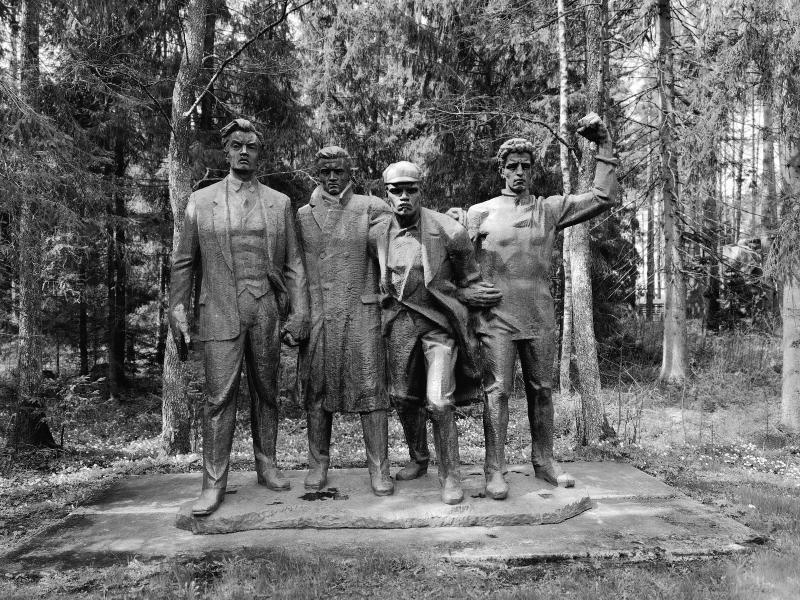
-
Karolis Požėla: born 1896, studied in Estonia, worked for the Red Army. Actively supported Russia en resisted the independant Lithuanian government. Sent to jail several times, and after his seventh arrest, in 1926, he was shot dead.
-
Juozas Greifenbergeris: born 1898, studied in Russia. Karolis was a member of the Russian Union of Communists. He supported civil unrest in Klaipeda and in 1926 the Lithuanian government had had enough en he was executed.
-
Rapolas Čarnas: born 1900, studied in Moscow. Became Financial Officer for the Central Commitee of the All-Union Leninist Communist League of Youth of Lithuania. That long name didn’t help, in 1926 he was shot dead.
-
Kazys Giedrys: born 1891, worked in the USA, and from 1918 became leader of the Commisariat for Lithuanian Affairs in Petrograd. In 1923-24 he was involved in illegal activites in Kaunas and got arrested. Executed in 1926.
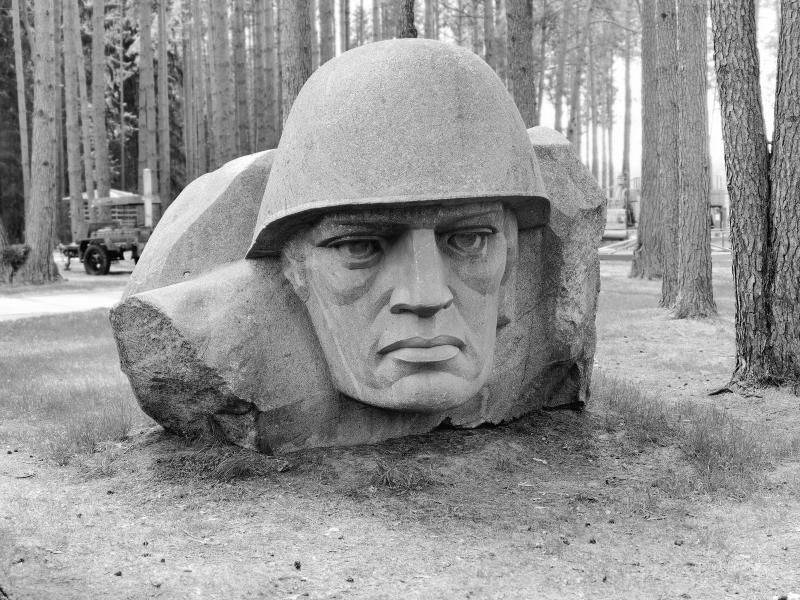
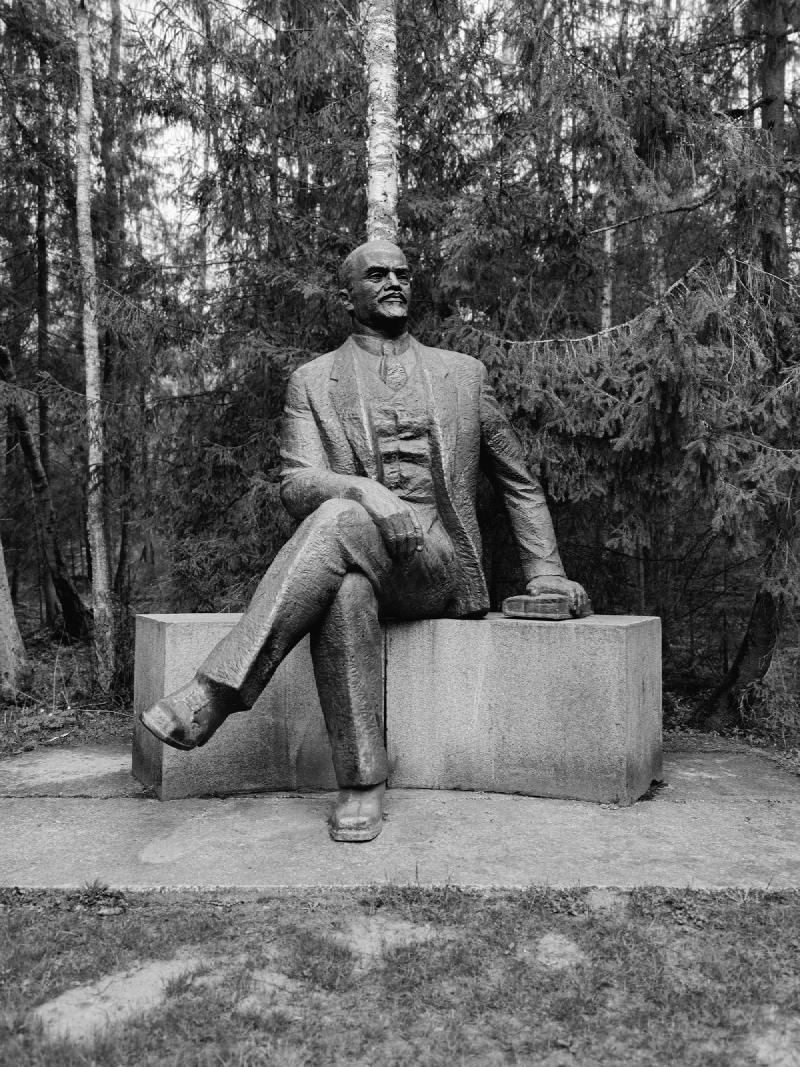
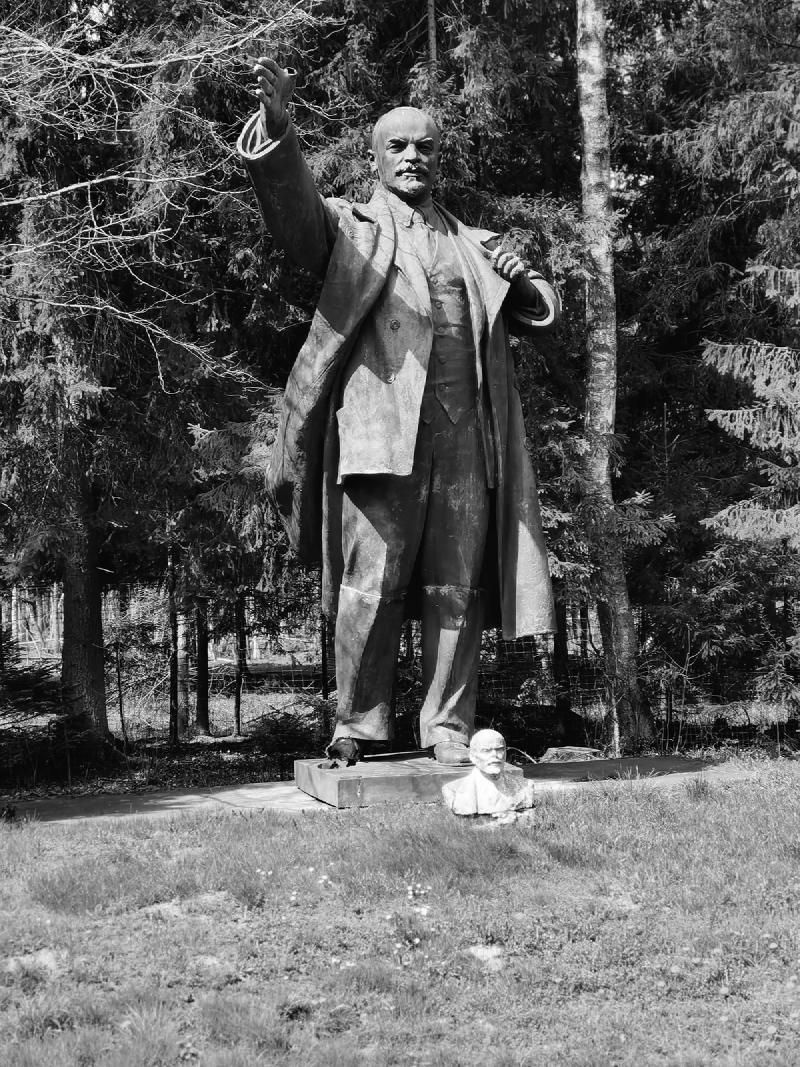
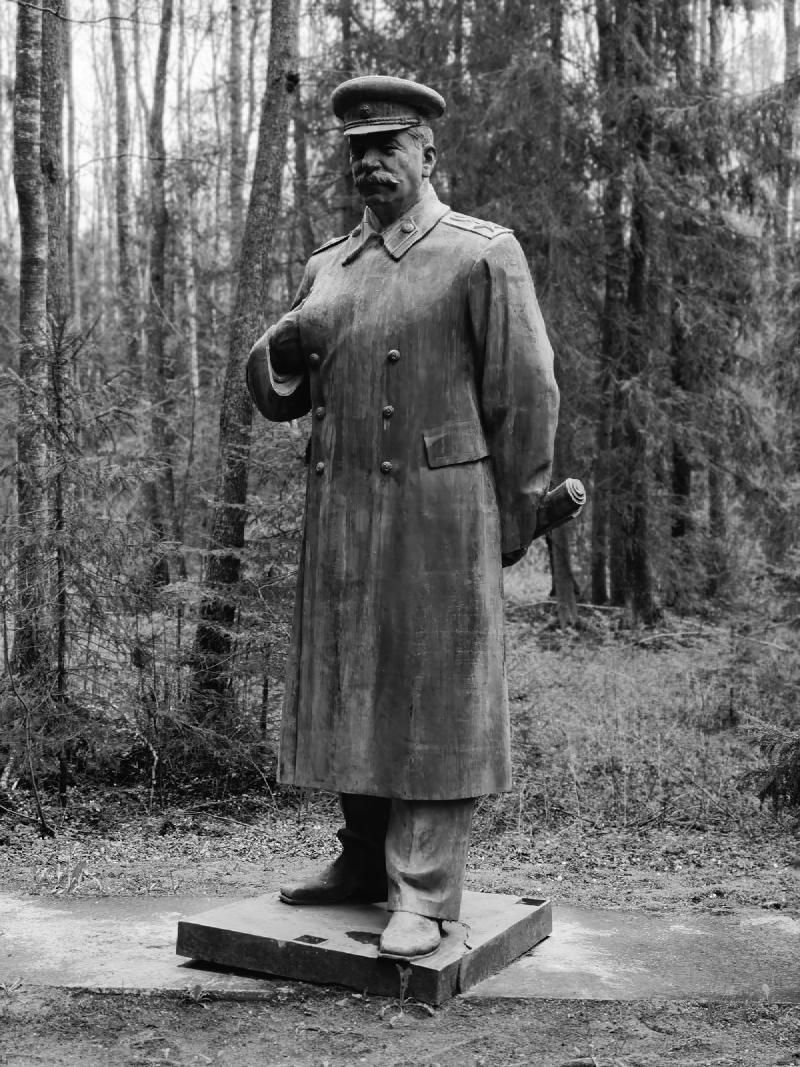
Four young men, in these statues they burst with energy and power, and all ended with a bullet in the head on 27 December 1926. Near Druskininke in Lithuania there is a parc/expo with one-hundred of such statues and bustes, all with freedom fighter or terrorists from the interbellum. Most of them were executed.
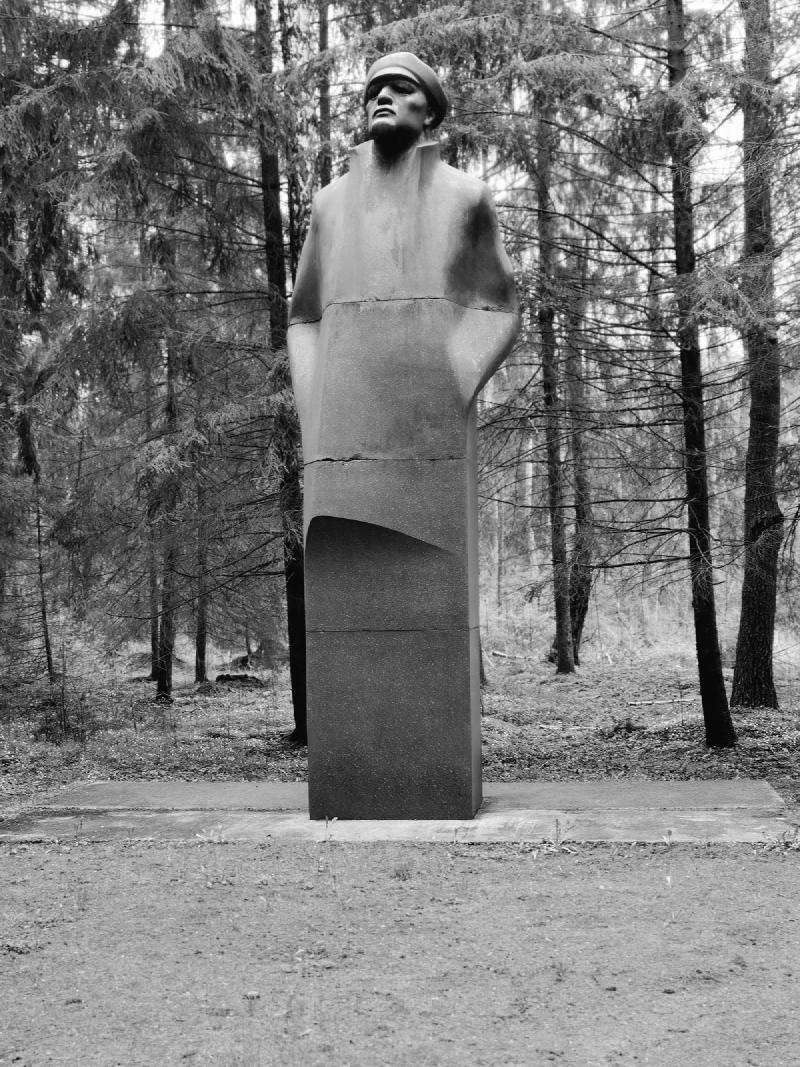
Lithuanians remember with fear and revulsion this period, the second world war, and also later years until Stalin’s death in 1953, characterized by nightly knocks on the door, executions, deportations. Today they feel free and secure with NATO article 5 and an EU-membership.
But if you tell a Lithuanian that now, so many years after Stalins death, maybe they should try to improve their relation with the big neighbor, they laugh. “Totally naive” they say, “better keep a gun”.